Have We Forgotten How to Navigate? Nine in ten Brits Rely on Sat Navs, with Younger Drivers Even Using Them For Trips to the Supermarket
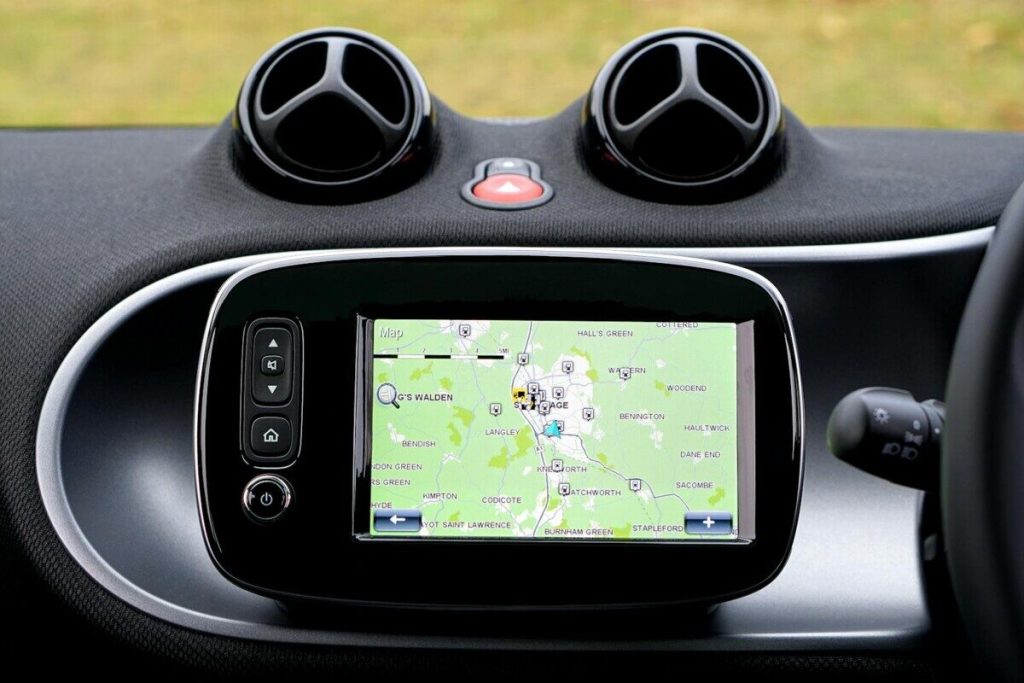
- Nine in ten Brits rely on sat navs for most journeys, with usage increasing further in poor weather
- Nearly three in ten Millennials use navigation tools for every journey, even short, familiar trips
- Older drivers remain more confident navigating unaided, with over half of 55–64 year olds relying on road signs and landmarks
New research by car finance lender Carmoola shows how embedded sat navs and navigation apps have become in everyday driving, with nine in ten Brits relying on them for most journeys – including short, familiar trips.
The findings highlight a clear generational shift in driving habits, with younger drivers the most likely to rely on navigation tools, even for familiar routes. Separate research¹ also shows this group places greater importance on in-car technology when choosing a vehicle, underlining the growing role of built-in navigation and connectivity in modern driving.
Nearly three in ten (28%) drivers aged 25-34 always use a sat nav as a non-negotiable whenever they drive, with a further 20% turning to navigation tools even for short trips such as errands or the supermarket.
Drivers aged 25–34 also report the highest reliance (32%) on navigation tools in poor weather, when visibility and conditions worsen. This compares to 30% of drivers aged 18–24. In contrast, fewer than one in five (18%) drivers aged 55-64 say they rely on navigation tools in these situations.
Older drivers appear more confident navigating without technology, combining experience with selective use of navigation tools. Among drivers aged over 45, around two in ten (23%) say they use a sat nav for every journey, while 15% say they rarely use one at all.
More than half (57%) of drivers aged 55–64 say they would rely on road signs and landmarks if their navigation system lost signal. Motorists aged 25-34, by contrast, are the least confident navigating without technology, with only four in ten (44%) saying they would be able to rely on signs or landmarks. Instead, a quarter (25%) say they would stop and ask for directions.
For longer and unfamiliar journeys, however, drivers across all generations turn to technology. Eight in ten (81%) drivers aged 55–64 say they rely on sat navs or online maps for these trips, followed by three-quarters (75%) of those aged 45–54 and over 65.
Interestingly, younger drivers appear more willing to challenge their navigation tools. Three in ten (29%) aged 18-24 say they would consider switching off their sat nav if it directed them down unsuitable roads, while two in five (40%) motorists aged 25-34 say they would do the same.
Aidan Rushby, founder and CEO of Carmoola said:
“What’s clear is that drivers now expect things to just work – whether that’s getting from A to B or getting behind the wheel in the first place. Navigation has become second nature because it removes friction, and we’re seeing that same expectation carry across the whole driving experience.”
This shift reflects a broader move towards simple, intuitive technology across the car buying and driving experience.