Venson renews siren call for fleets to embrace neurodiversity Latest white paper highlights how neuroinclusive practices can improve recruitment, retention, and productivity
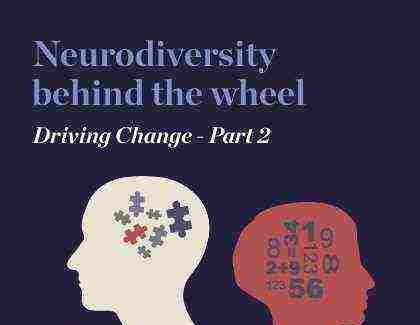
Venson Automotive Solutions is spotlighting neuroinclusive practices in fleet management with the launch of the second part of its white paper, Neurodiversity behind the Wheel – Driving Change.
Shifting gear from the fundamentals of neurodiversity, the second paper takes a deep dive into the cross section between neurodiversity and fleet operations, with practical guidance for fleet professionals on issues, from adapting driver training for neurodivergent drivers to making vehicle handovers more inclusive.
Around 20% of any workforce is neurodivergent often tackling common challenges including memory, concentration, organisation and time management on a daily basis. With 1 in 5 of people who drive for work living with neurodivergence, the more the fleet profession can understand, adapt and evolve to enable these drivers to excel, the better.
Comments Samantha Roff, Managing Director, Venson Automotive Solutions, “It is understandable that fleet leaders may be reticent to engage in the neurodiversity space, for fear of saying or doing the wrong thing. Our aim with these papers is to share practical insight and encourage the fleet sector to see the opportunity. When organisations embrace neurodiversity, the benefits can be felt not just by individuals, but across the entire fleet operation.”
Managing work related road risk is top priority for fleet professionals, so understanding the best way of training the 20% of their drivers who may have a neurodivergence can play a big part in optimising safety. Meanwhile with the increase in vehicle technology incorporating ADAS, electric vehicles and infotainment, there’s so much more for people to need to understand at handover. The Venson paper provides expert guidance on how to maximise driver training and vehicle handovers, which will ultimately benefit all drivers.
As well as incorporating practical advice the new white paper also includes real-world case studies. An autistic professional driver describes his experience of the job, a managing director explains how working with young neurodivergent drivers’ parents can help and an autism specialist details workplace adaptations and how to create a mutually beneficial work environment.
Samantha Roff says, “We hope that our whitepaper goes some way to reassuring fleet operators hesitant of addressing neurodivergence that, although hard work is involved, maximising opportunities for all drivers using a vehicle for company business does not have to be complicated.
“The techniques, examples and opportunities detailed in our second white paper strengthen the case for adaptability, flexibility and straightforward initiatives that would benefit any driver, neurodivergent or neurotypical. With recruitment, retention and productivity continuing to challenge the fleet sector, companies willing to encompass the needs of the neurodiverse will have access to a wider talent pool and can implement working policies that are relevant and advantageous to all drivers which ultimately delivers wider business benefits.”