BMW Invests in AI-Powered Humanoid Robots to Help Build the Cars of Tomorrow
BMW Group Werk Landshut
BMW is taking another step towards the future of car manufacturing by developing advanced software that could enable humanoid robots to work alongside employees on production lines, helping build vehicle components more efficiently and safely.
The German carmaker has announced that its Landshut manufacturing plant is becoming a key centre for the development of artificial intelligence (AI) software that will power the next generation of humanoid robots used in automotive production.
Rather than replacing workers, BMW says the technology is designed to assist with repetitive, physically demanding and highly precise manufacturing tasks, allowing employees to focus on more complex work while improving production quality and efficiency.
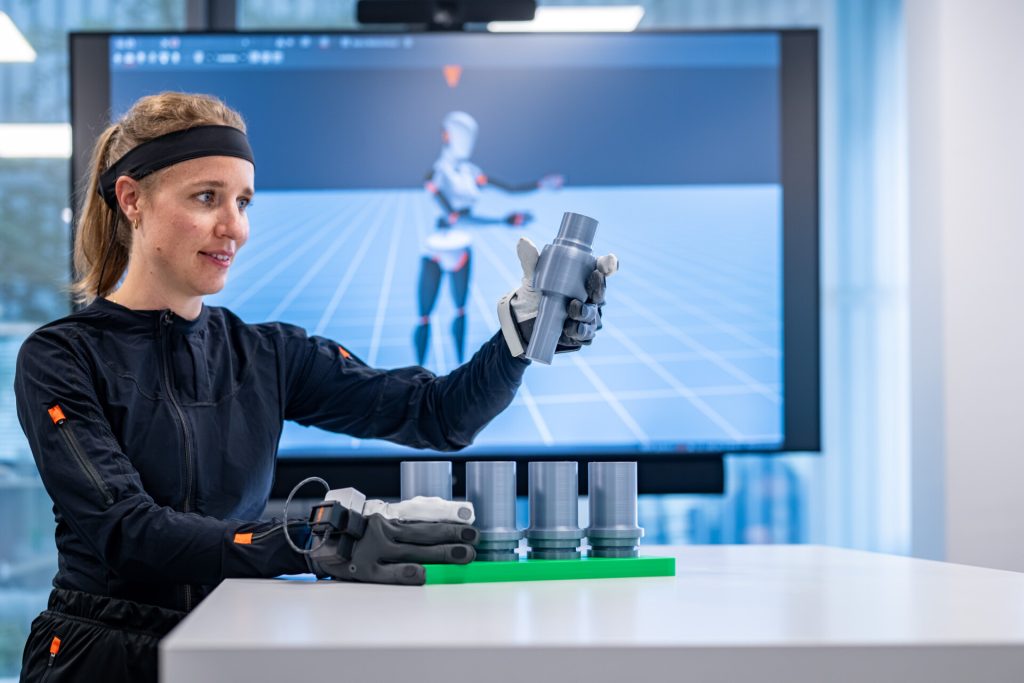
The Landshut facility, which produces a wide range of vehicle components, is developing the software that enables robots to understand their surroundings, interpret visual information and make decisions independently. Engineers are combining traditional programming with advanced AI models capable of recognising objects, planning movements and adapting to changing production environments.

BMW is also using real-world manufacturing data alongside digital simulations to train the robotic systems before they are introduced into live production. The approach allows engineers to test new applications virtually before deploying them on the factory floor, reducing disruption and improving reliability.
The latest project builds on BMW’s wider investment in what it calls “Physical AI”. Earlier this year, the manufacturer confirmed it would begin deploying humanoid robots at its Leipzig plant in Germany following successful trials in the United States, where robots assisted with the production of thousands of BMW vehicles.
According to BMW, future humanoid robots could carry out tasks requiring fine motor skills, such as handling delicate components, recognising parts, positioning materials and supporting complex assembly processes that have traditionally relied on human dexterity.
The company is developing the technology in partnership with robotics specialists Athenyx Robotics and researchers at RWTH Aachen University and Landshut University of Applied Sciences. Together they are creating an AI “intelligence stack” capable of allowing robots to learn new skills and apply them across different manufacturing tasks.
As the automotive industry continues its rapid transformation through electrification, automation and artificial intelligence, manufacturers are increasingly investing in technologies that promise greater flexibility, improved quality control and enhanced workplace safety.
While fully autonomous car factories remain some way off, BMW’s latest investment suggests humanoid robots could soon become a familiar sight alongside skilled workers on vehicle production lines, helping to build the next generation of cars more efficiently than ever before.