Drivers Without Driveways Are Paying Up To Three Times More To Power The Same Journey
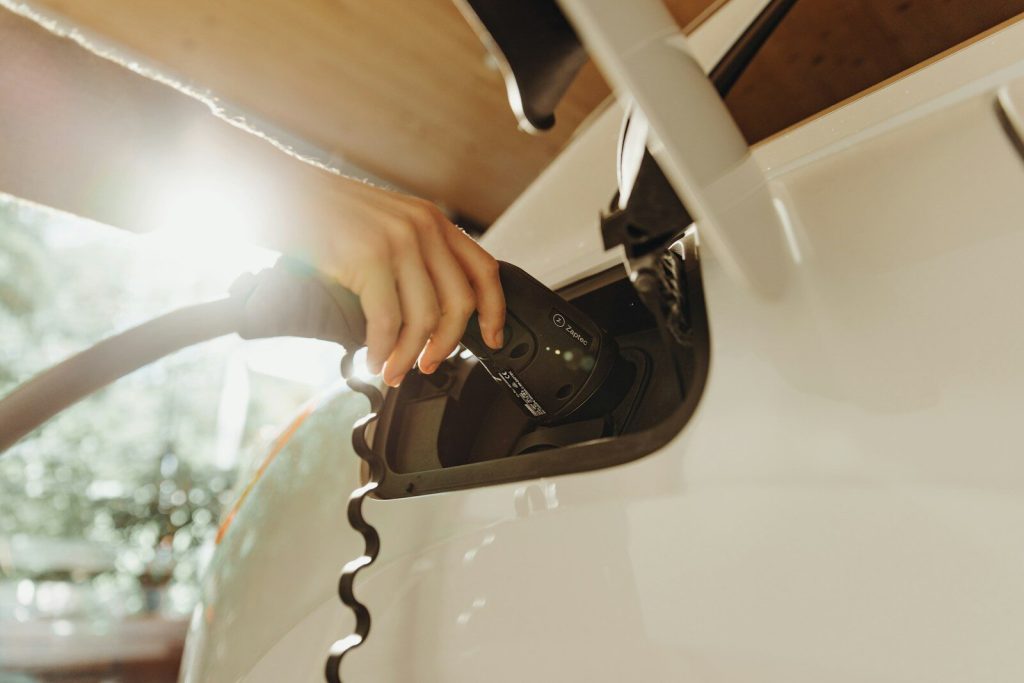
The UK’s transition to electric vehicles risks leaving millions of drivers behind as those without access to home charging face significantly higher costs every time they plug in, according to one of the country’s largest electric private hire operators.
Majid Ismailzada, Director of GM Direct Hire, says the growing gap between home and public charging costs is creating an unfair system where a driver’s postcode, rather than their choice of vehicle, determines how affordable it is to own an EV.
The warning comes as many public rapid chargers now cost as much as 89p per kWh, meaning some motorists without driveways are paying up to three times more than those able to charge overnight at home.
GM Direct Hire operates a predominantly electric and hybrid fleet, with drivers relying on the UK’s public charging network every day, giving the business a unique insight into the real cost of keeping EVs on the road.
“My drivers live the charging divide every day,” says Majid Ismailzada, Director of GM Direct Hire.
“A driver with a home charger fills up for pennies; the driver in a flat with no driveway is paying two or three times more at a public rapid charger for the exact same miles. That’s not a lifestyle choice, it’s a postcode lottery that’s quietly deciding who can afford to go electric.”
While EV ownership continues to grow, Majid believes the conversation has moved beyond the price of buying an electric car.
“People assume the barrier to EVs is the car. It isn’t anymore, it’s the charging.
“We run a mostly electric fleet, so I see the numbers weekly. Public rapid charging can cost more than petrol once you’re paying up to 89p a unit, and that’s before you factor in broken chargers, five different apps and queues at peak times.
For a private hire driver doing 800 miles a week, a bad charging setup can wipe out a day’s earnings. If the government wants working drivers to go electric, affordable street charging has to come first.”
According to GM Direct Hire, the issue is becoming increasingly significant for professional drivers, delivery workers and commuters who cannot install a charger at home because they live in flats, rent their property or rely on on-street parking.
The company says many drivers are also frustrated by inconsistent pricing between charging providers, unreliable charging infrastructure and the need to use multiple apps and payment systems depending on where they charge.
Majid believes improving access to affordable public charging should become a priority if the UK is to achieve widespread EV adoption.
“The technology is there and the vehicles are better than ever,” he says.
“What’s holding many people back is knowing whether they’ll be able to charge conveniently and affordably every week. Until public charging feels as accessible and predictable as filling up a petrol car, a lot of drivers will understandably stick with what they know.”