Expert issues warning over salt air rust risk for seaside drivers
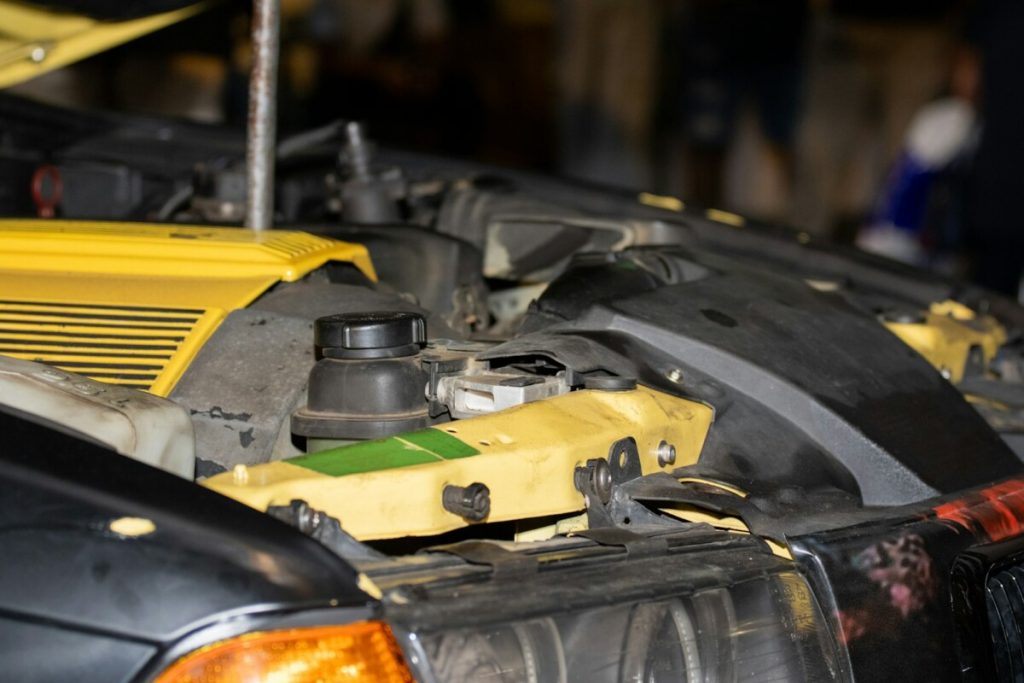
Drivers living by the coast could be putting their cars at greater risk of rust damage without realising it, according to a mechanic from Scrap Car Comparison, the UK’s biggest scrappage comparison service.
While the idea that salty sea air causes cars to rust faster is often dismissed as exaggeration, expert insight suggests the risk is actually very real. Salt accelerates corrosion, which can damage paint and bodywork over time, and in more serious cases, affect vital components such as brakes, suspension, electrical connectors and even the chassis.
This is reflected by resale prices – data from Scrap Car Comparison shows how rust can reduce the price of your vehicles by 30%.
We therefore spoke with Tim Singer, Manager at leading independent garage BMS Cars to help explain how coastal conditions consistently take a toll on vehicles:
“Cars kept near the coast really are more prone to rust – it’s not a myth,” he says. “Salt in the sea air settles on metal surfaces and accelerates corrosion, and in my experience as a mechanic, vehicles owned by people living by the seaside consistently show more corrosion damage than those based further inland.”
Are modern cars protected against rust?
While newer vehicles benefit from improved coatings and manufacturing processes, corrosion is still an issue, regardless of a car’s age.
“Modern cars do have better protective coatings than older models, but corrosion is still very much an issue,” Tim explains. “No vehicle is immune, especially when salt is part of the environment,” the mechanic adds.
Over time, rust can spread beyond visible areas, attacking critical components underneath the vehicle, where it often goes unnoticed until repairs become unavoidable – and costly at that.
How can seaside drivers protect their cars?
According to the expert, prevention is key, and regular maintenance can make a significant difference.
“The most effective thing drivers can do is keep on top of regular washing – and that includes underneath the car” says Tim. “Removing salt build-up is crucial.”
Protective treatments such as underseal coatings, wax treatments and rustproofing sprays are also strongly recommended, particularly for vehicles regularly exposed to salty air.
“Protective treatments are absolutely worth the investment,” he continues. “A full underseal can extend corrosion resistance for several years and help prevent much bigger problems down the line.”
The cost of ignoring corrosion
If rust is left untreated, repair bills can escalate quickly.
Tim elaborates: “Once rust spreads to structural or safety-critical components, costs can jump from a few hundred pounds to thousands. At that point, it can affect MOT results, safety and resale value.”
In severe cases, corrosion can render a car uneconomical to repair, leaving scrappage as the only viable option.
Not just a coastal problem
Even drivers living inland aren’t completely immune. Salt grit used on roads during winter can cause similar corrosion issues, though typically to a lesser extent than constant exposure to sea air.
“It’s still prudent for all drivers to wash their cars regularly and consider protective treatments if they want to extend their vehicle’s lifespan,” suggests Tim.
As running and repair costs continue to rise, Scrap Car Comparison encourages drivers to take preventative care seriously – and to weigh up repair costs carefully when corrosion sets in.