Over 50,000 New Council-Owned EV Chargers Set to Roll Out by 2027 — But Is It Enough?
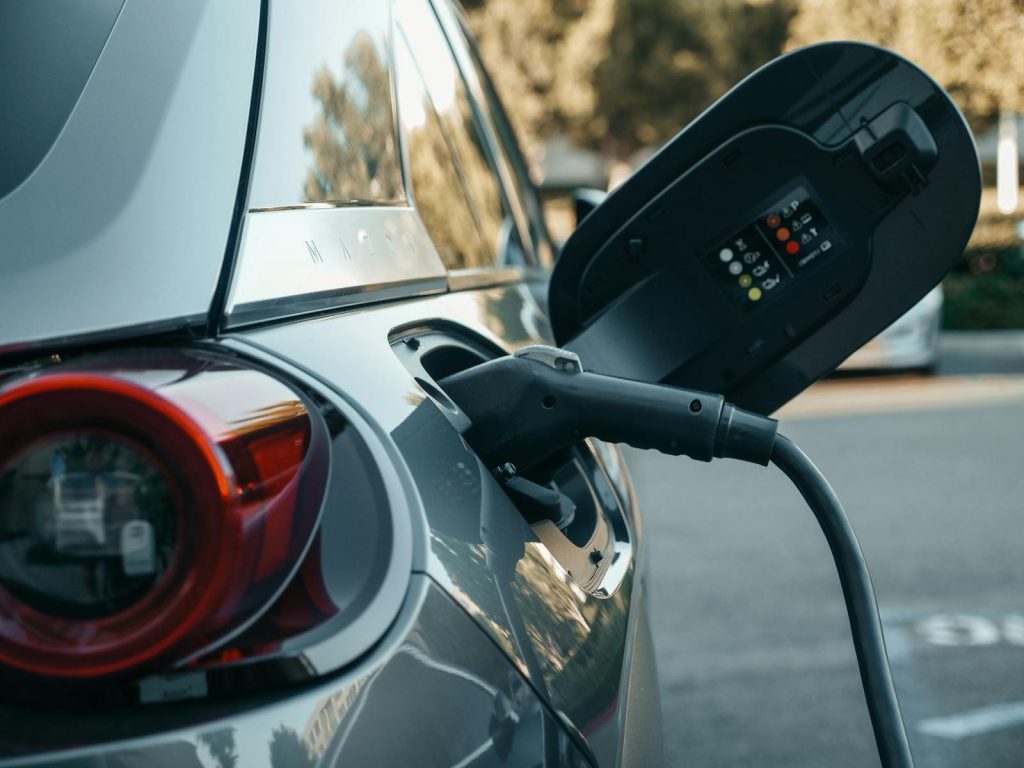
UK councils are preparing to nearly double the number of public electric vehicle (EV) charging points over the next two years, but drivers say charging access still falls short of expectations.
According to new data gathered from Freedom of Information requests, 28,734 council-owned public chargers are currently installed across the UK. That figure is expected to rise to more than 50,000 by 2027, with an additional 24,687 chargers planned.
Yet with more than 1 million electric vehicles now on the road, that still leaves just one public council charger for every 36 EVs—a ratio many say simply isn’t enough.
Driver Frustration Growing
A national survey reveals the scale of dissatisfaction. 38% of drivers say public charger availability in their area is poor, while 31% of EV drivers report being blocked by non-EVs or parked vehicles when trying to charge.
Even when chargers are available, other issues arise:
-
45% report long queues or fully occupied stations
-
38% experience slow charging speeds
-
35% say payment systems or apps cause problems
Rhydian Jones, motoring expert at Confused.com, which compiled the data, said:
“Many drivers feel that EVs are too expensive and that public charging options are often inconvenient. The stark differences between councils in charger availability only add to the confusion and frustration.”
Where Are the New Chargers Going?
Some local councils are leading the charge, with large-scale rollouts expected in the next 24 months. Among the most proactive are:
-
Greenwich Borough Council: 2,000–2,500 new chargers
-
Tower Hamlets Borough Council: 2,235
-
Hounslow Borough Council: 2,000
-
Brighton and Hove City Council: 1,650
-
Newham and Barnet: Over 1,000 each
Meanwhile, Westminster currently boasts the most existing chargers with 2,468 in place. Outside London, Milton Keynes and Birmingham are among the top-performing cities in terms of public EV infrastructure.
Still Not Convinced? You’re Not Alone
Despite the government’s looming 2035 ban on new petrol and diesel cars, more than two-thirds of drivers still rely on combustion engines. Only 12% currently own an EV, and nearly half of UK motorists remain unaware of the upcoming ban.
The main roadblocks for adoption include:
-
57% say EVs are too expensive
-
30% say public chargers should be free or subsidised
-
41% feel there aren’t enough government incentives to make the switch
One in four non-EV owners say they can’t switch because they don’t have access to home charging, while 30% feel EV infrastructure is growing too slowly to support demand.
Driving Change
Despite concerns, many EV drivers say they made the switch for good reasons. Environmental impact, fuel savings, and better driving experiences were all cited as motivations.
Still, for public charging to gain wider trust, drivers want faster charging speeds, safer locations, and more reliable access.
To help drivers navigate the UK’s EV landscape, Confused.com has also launched a charging point map tool, showing local public chargers and providing up-to-date insights on infrastructure.
Jones added:
“We created the charging map to help drivers make informed choices and find local charging points more easily. It’s a small but vital step in supporting the EV journey for both new and experienced drivers.”
—
The Bottom Line for Drivers:
If you’re considering switching to electric, infrastructure is improving — but regional access varies wildly. Before you buy, check what your local council is doing, explore public charging availability near you, and make sure the convenience lines up with your driving habits.