Rising Motoring Costs Bring the ‘Free Lift’ Era to an End for Young Drivers
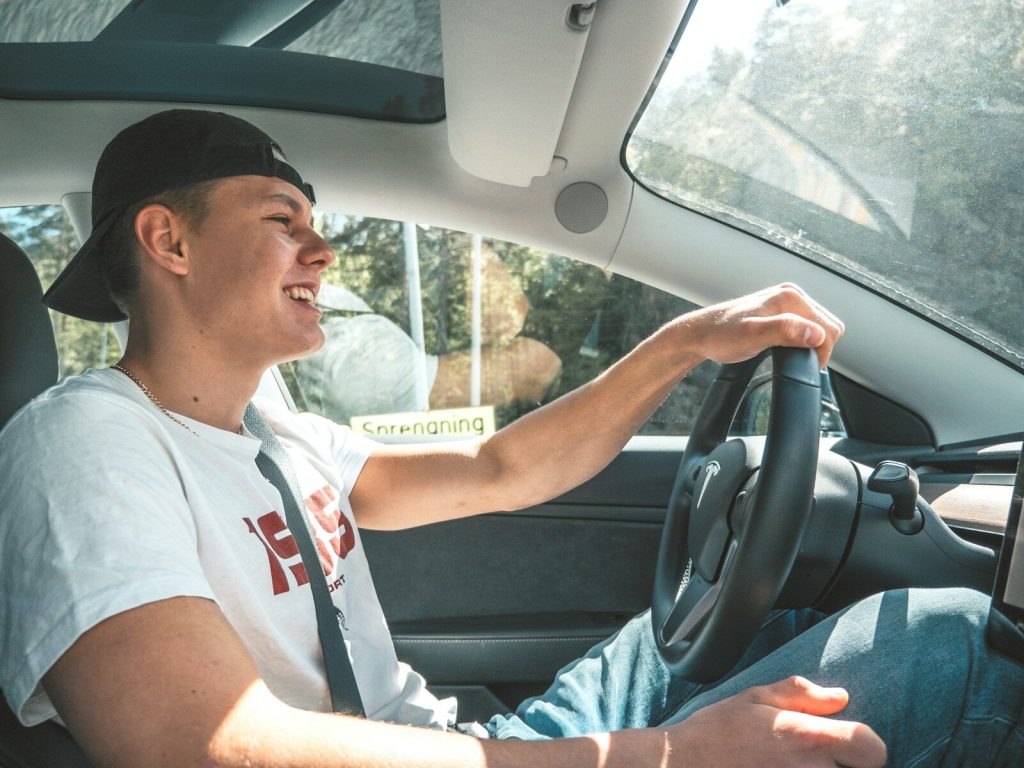
The days of automatically offering friends a free lift could be disappearing as rising motoring costs force younger drivers to think twice before getting behind the wheel.
New research from Compare the Market suggests that increasing fuel, insurance and servicing costs are changing the unwritten rules around giving friends and family a lift.
According to the study, 44% of young motorists now give fewer lifts because of the overall expense of driving, while 22% have refused journeys they would previously have been willing to make.
The findings come against a backdrop of higher fuel costs, with the research citing year-on-year increases of 30.7p for petrol and 44.8p for diesel.
Compare the Market surveyed 2,000 people aged under 35 to examine how motoring expenses are influencing attitudes towards giving and receiving lifts, including whether passengers should be expected to contribute towards the journey.
Petrol Money Becoming the New Normal
For drivers who already accept petrol money from passengers, rising costs appear to be pushing up the amount they request.
The study found 79% of young drivers who take petrol money have increased the amount they ask passengers to contribute because of higher running costs. A third – 33% – said they had increased the amount significantly.
Meanwhile, almost a third (32%) of those who had not previously asked passengers for fuel money said they had started doing so within the past six months.
A further 25% are considering asking passengers to contribute.
Only 15% of those surveyed believe passengers should pay nothing towards the cost of their journey.
How Much Does a Lift Cost?
Among drivers asking passengers to contribute, the average amount requested towards fuel is now £3.46 per passenger.
Some 42% ask for up to £6 per passenger for each trip, while 10% request as much as £10.
More than a quarter (27%) said the amount they expect passengers to pay depends on the distance travelled.
While splitting fuel costs between friends is nothing new, the findings suggest that what was previously an occasional arrangement is becoming increasingly commonplace among younger motorists.
Amy Rootham, Car Insurance expert at Compare the Market, said:
“With fuel, servicing, and insurance costs remaining high, many young motorists can no longer afford to absorb travel costs for their friends. What used to be a quick, casual favour is turning into an expense, leading to a noticeable shift in driving habits and etiquette.
“As young drivers look for ways to offset rising running costs, asking passengers to pitch in is quickly becoming the new normal. In fact, 32% of young drivers who hadn’t previously asked for fuel money have started doing so in the last six months, requesting an average of £3.46 per passenger to help cover the trip. Put simply, the rising cost of motoring is bringing the era of the free ride to a close.”
Cost of Driving Changing Young Motorists’ Habits
The research highlights how the wider cost of running a car can influence everyday decisions beyond simply choosing when and where to drive.
For younger motorists in particular, fuel is only one part of the equation. Insurance, servicing, repairs and other running expenses can make seemingly small journeys considerably more expensive over the course of a year.
As a result, asking friends to chip in for petrol could increasingly become accepted driving etiquette rather than an awkward conversation – particularly for longer or more frequent journeys.