The UK’s most expensive cities to charge an electric vehicle – and how to save money
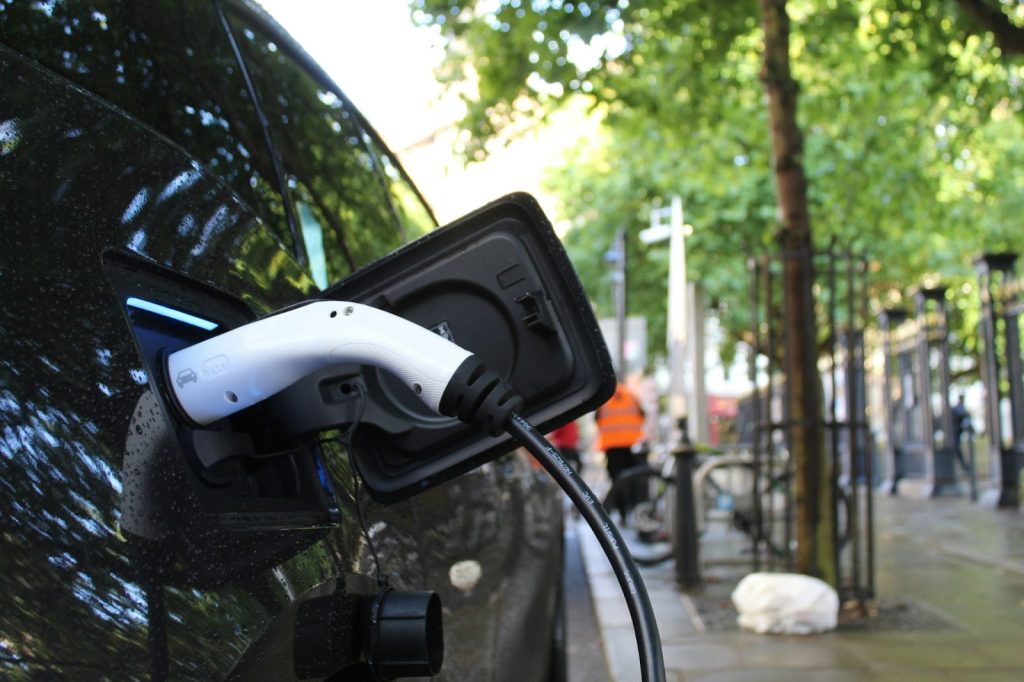
Experts reveal the most expensive cities to charge an electric vehicle in the UK plus five tips to save on energy bills
As the UK pushes towards net zero, the shift to electric vehicles (EVs) is accelerating. With petrol and diesel car sales set to end by 2030, battery-electric vehicles are on the rise and made up an incredible 21% of new car registrations in January 2025.
In addition, interest in EV infrastructure is soaring, with Google searches for “electric vehicle charging” surging 1,008% in the past year. But while more drivers are making the switch, charging costs vary widely across the country. With this in mind, the energy experts at Bionic have revealed the most expensive UK cities to charge an EV.
EVs are 8 X cheaper to fill up than petrol cars
As of February 2025, the average cost to fill up a petrol tank ranges between £52.82 and £105.63, while for a diesel car, it falls between £55.38 and £110.76.
In contrast, charging a typical EV at home costs around £13 for a full charge. This stark difference highlights the potential savings of switching to an electric vehicle, particularly for drivers who primarily charge at home.
The areas in the UK with the highest EV charging costs
*Utilities including Electricity, Heating, Cooling, Water, Garbage
|
Ranking |
Location |
Average Property Size Meter Squared (All Property Types) |
Cost of Utilities* for 85m2 Property (Monthly) |
Utilities* per m2 |
Average Cost of Utilities* (Monthly) |
|
1 |
Aberdeen |
97 |
£430.55 |
£5.07 |
£491.79 |
|
2 |
Sheffield |
88 |
£376.60 |
£4.43 |
£389.84 |
|
3 |
Edinburgh |
97 |
£328.44 |
£3.86 |
£374.42 |
|
4 |
Glasgow |
97 |
£324.11 |
£3.81 |
£369.57 |
|
5 |
Birmingham |
90 |
£301.25 |
£3.54 |
£318.60 |
|
6 |
Manchester |
86 |
£300.29 |
£3.53 |
£303.58 |
|
7 |
Liverpool |
92 |
£278.35 |
£3.27 |
£300.84 |
|
8 |
Leeds |
86 |
£272.79 |
£3.20 |
£275.20 |
|
9 |
Brighton |
78 |
£296.08 |
£3.48 |
£271.44 |
|
10 |
London |
47 |
£297.09 |
£3.50 |
£164.50 |
Aberdeen residents are paying the most to charge their EVs
Aberdeen ranks top as the most expensive city in the UK for charging an EV, largely due to its high utility costs.
As the area with the highest combined gas, electricity, water, and heating expenses, residents pay an average of £5.07 per square metre for utilities. With an average property size of 97 square metres, this results in typical monthly utility bills of £491.79, making EV charging particularly costly.
Sheffield is the second most expensive city in the UK
Sheffield follows closely behind as the second most expensive place to charge an EV. With utility costs averaging £4.43 per square metre and a typical property size of 88 square metres, residents face monthly bills of £389.84. These higher electricity costs make public and home EV charging more expensive than in many other UK cities.
Edinburgh residents face the third highest EV charging costs
Edinburgh ranks third for EV charging costs and is the most costly Scottish city to charge an EV. Residents pay an average of £3.86 per square metre for utilities, and with an average property size of 97 square metres, monthly bills total around £374.42. These higher-than-average electricity prices mean that charging an EV in Edinburgh comes at a premium cost.
FIVE tips to save energy when charging your Electric Vehicle
Bionic has revealed their top tips to save money when charging an electric vehicle:
-
Utilise free charging points
Take advantage of free charging stations available at various locations. Many supermarkets, shopping centres, and public car parks offer free EV charging, which beats paying for it yourself.
-
Charge during off-peak hours
Schedule your charging during off-peak times, typically overnight, to benefit from lower electricity rates. Some electricity providers offer special EV tariffs, which can significantly save your charging costs.
-
Avoid fast charging
While convenient, frequent use of rapid or ultra-rapid charging can be detrimental to your battery’s lifespan, in turn meaning more electricity will be needed to charge the battery up. With this in mind, avoid fast charging at all costs.
-
Maximise regenerative braking
Utilise your EV’s regenerative braking feature to recapture energy and extend your range. This means you won’t have to charge your battery as frequently.
-
Maintain tyre pressure and reduce load
Under-inflated tyres can decrease fuel economy by 0.4% for every 1 psi drop in pressure so it’s important to check and maintain proper tyre pressure regularly. Additionally, removing unnecessary weight from your vehicle will help to reduce energy consumption.